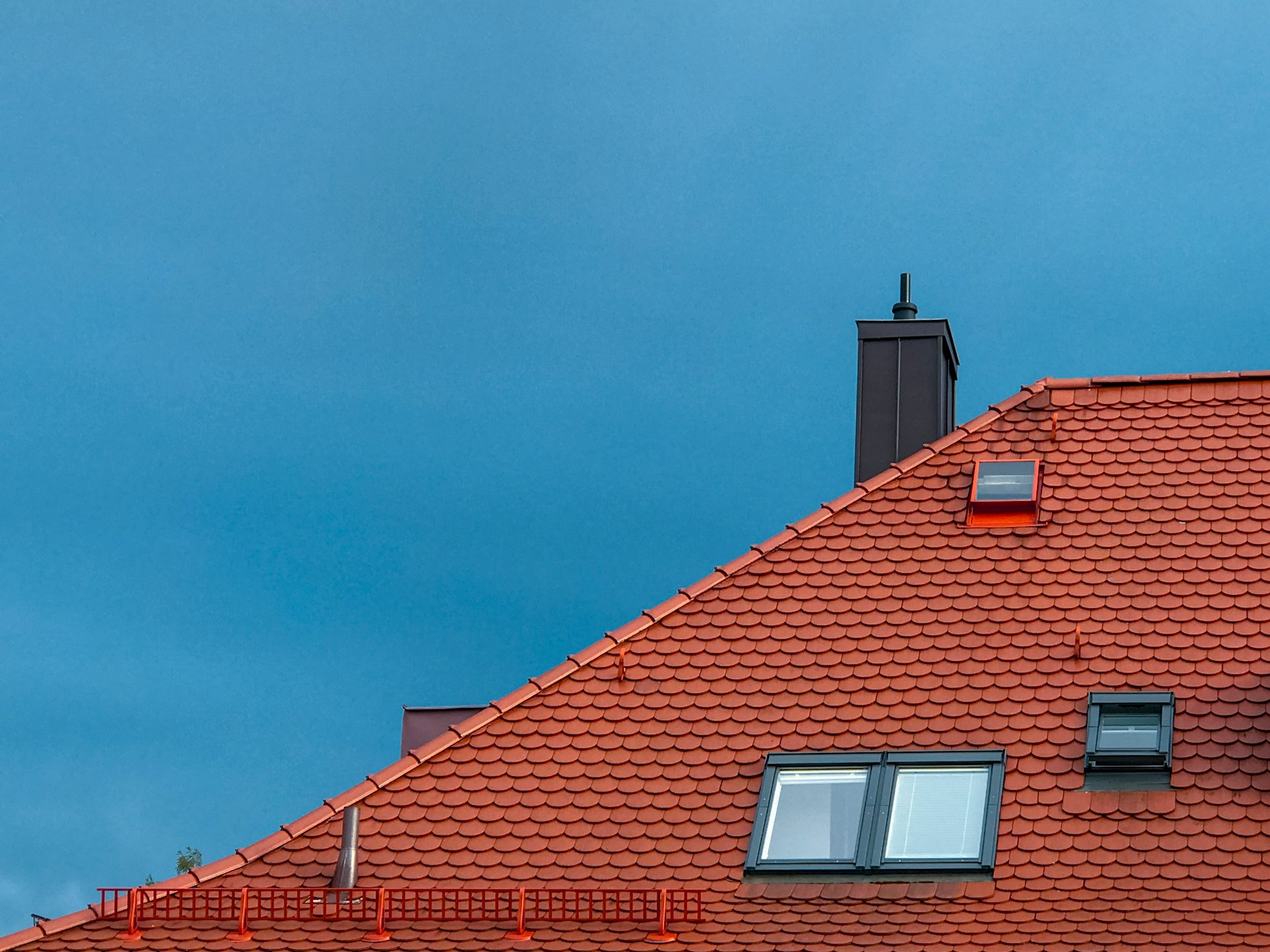
Bring More Daylight Into Boise Workspaces
Natural light has a big impact on how people feel and work inside a building. In Boise offices, retail spaces, warehouses, and light industrial buildings, daylight can make rooms feel larger, calmer, and more welcoming. It can also help reduce the need for overhead lights during many hours of the day.
Commercial skylight installation gives building owners a way to bring that daylight deeper into the floor plan. When done correctly, skylights can cut down on the use of artificial lighting and support a more comfortable interior, especially during Idaho’s long winter season when days are shorter. Good planning, smart product choices, and skilled installation all matter if you want skylights that look good and perform well for years.
We will walk through when skylights make sense, what to consider before you start, how the planning and installation process usually works, and what to expect long term. This helps building owners, facility managers, and project teams across the Treasure Valley understand what a professional skylight project looks like from start to finish.
When Commercial Skylights Make Sense for Your Building
Skylights are not right for every building, but they can be a strong fit for many Boise properties, such as:
- Low-slope or flat roof buildings
- Structures with deep floorplates where windows do not reach the center
- Warehouses and light industrial spaces that feel dim during work hours
- Retail and office spaces that feel closed in or rely heavily on overhead lights
If you are thinking about commercial skylight installation, it helps to look at a few key factors first:
- Roof condition and age, including existing leaks or weak areas
- Structural support and framing, especially around possible openings
- Local building codes and fire rules for commercial properties
- Energy and comfort goals for tenants, staff, or customers
Climate is also a big part of skylight planning in the Boise area. Our region sees snow, freeze, thaw cycles, bright summer sun, and stretches of cloud cover. All of this affects the right skylight size, placement, and glazing. For example, you want products that can support snow loads and seal well against ice and water infiltration. On hot summer days, the glazing and shading choices should help limit heat gain while still letting in plenty of light.
Planning a Commercial Skylight Installation That Performs
Before anyone cuts into a roof, a good site visit and roof assessment are important. This step helps the project team understand:
- Roof slope and drainage patterns
- Existing roofing materials and layers
- Locations of HVAC units, vents, drains, and other roof equipment
- Any past roof repairs or signs of movement or ponding water
The layout of the skylights should match how the space is used inside the building. For offices, schools, and healthcare spaces, the design should focus on getting soft, even light instead of harsh glare. That might mean placing skylights over hallways, open work areas, or waiting rooms, instead of directly over screens or exam tables. Orientation matters too. The direction each skylight faces can affect light level and heat, so placing units to catch steady daylight while limiting direct midday sun can help comfort.
There are also code and safety points to cover. Commercial skylight projects often need to account for:
- Egress paths and access to the roof
- Fall protection around roof openings during and after installation
- Smoke vents or other fire-protection features that must stay clear
- Coordination with HVAC, plumbing, fire sprinklers, and electrical work
When these pieces are planned together, skylights are more likely to perform well without creating issues for other building systems.
Inside the Skylight Installation Process
The actual skylight installation is detailed work that should follow a clear process. While every project is a little different, many professional jobs include steps like these:
- Marking the skylight openings from inside and on the roof.
- Cutting the roof deck and removing roofing in the planned areas.
- Adding framing and building curbs to support skylights at the right height.
- Installing underlayment and flashing to move water away from the opening.
- Setting the skylight units, sealing, and finishing the surrounding roofing.
Working with AAMA-certified installers helps make sure the products are installed according to industry standards and manufacturer details. Skilled crews pay close attention to flashing, sealants, and transitions between the skylight, curb, and roofing. This is especially important in Boise, where freeze, thaw cycles can amplify small flaws and turn them into leaks or drafts if details are missed.
For occupied commercial buildings, the team should also protect the interior and daily operations. That often means:
- Planning work in phases or off-hours to reduce disruption
- Putting up dust barriers and coverings to protect finishes and furniture
- Keeping clear communication with building staff about noise and access
- Cleaning up work areas at the end of each shift
Done well, the project can move forward with limited impact on tenants, customers, and day-to-day activities.
Performance, Maintenance, and Long-Term Value
Once the skylights are in place, performance over time is what really matters. Product choices like high-quality glazing, thermal breaks, and proper seals can help keep interior spaces more comfortable through Boise winters and hot summers. The goal is to let in as much daylight as possible while helping manage heat loss in cold weather and heat gain in warm weather.
To keep skylights working well, basic maintenance is usually simple but important:
- Periodic roof and skylight inspections to look for damage or wear
- Gentle cleaning of glazing to remove dirt, pollen, and debris
- Checking sealants, flashings, and gaskets after major storms or extreme temperature swings
- Clearing leaves or buildup around curbs and drains to avoid standing water
These steps can help extend the life of the skylight system and can also help support product warranties when they are paired with professional installation and any required service intervals.
Over time, commercial skylight installation can bring value in several ways. Lower reliance on artificial lighting may help reduce lighting energy use. Brighter, more pleasant interiors can support happier tenants and staff, which can be a plus for leasing and retention. For property owners, clean, well-designed skylights can also add to the visual appeal of a building when it is time to market it to future buyers or tenants.
Plan Your Next Boise Skylight Project with Confidence
If your building feels dark in the center, or if tenants often complain about dim work areas, it may be time to take a closer look at the roof and interior layout. Reviewing current lighting challenges, roof condition, and long-term building plans early makes it easier to choose the right time of year and the right project schedule.
At Wood Windows, we bring local experience with Boise buildings, from smaller offices to larger commercial spaces, and we perform work with in-house AAMA-certified installers. Our team can help coordinate skylights with windows, doors, and other exterior improvements so the building works as a complete system. With careful planning and professional installation, commercial skylight installation can be a reliable, long-lasting upgrade that brings more natural light into your Treasure Valley property.
Brighten Your Commercial Space With Expert Skylight Installation
If you are ready to bring more natural light, energy efficiency, and modern appeal to your building, our team at Wood Windows is here to help. Whether you need a new commercial skylight installation or are planning an upgrade to existing daylighting, we will guide you from design through final install. Tell us about your project and let our specialists recommend the right solution for your space. You can also contact us to schedule a consultation or request a detailed estimate.